
Rigid Packaging vs Folding Cartons
What is the difference between rigid packaging and folding cartons?
This is a question we get asked quite often–and for good reason! Both folding cartons and rigid packaging can allow for a “premium” feel, depending on its use. They both also have their respective pros and cons, depending on the project.
Rigid Packaging vs Folding Cartons
Rigid Packaging (also called a “Set Up Box”) uses chipboard which is a super thick paperboard substrate. With chipboard as the core of the box, fabrics, leather, or specialty papers are wrapped around the formed box giving it the finished look. That fabric or specialty paper can be printed as well giving you tons of opportunities. Typically this type of packaging is reserved for high-end/high MSRP products as it usually has a very high cost associated to produce.
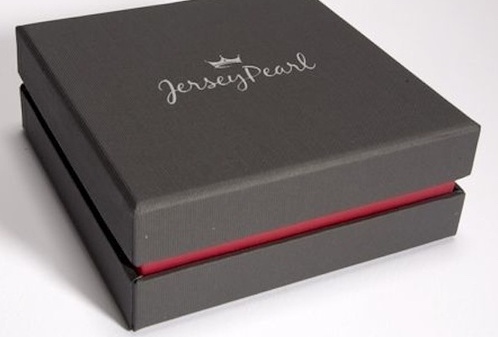
Benefits of Rigid Packaging:
-
-
-
- Avoids Cutting Die Charges
- Increases Perceived Value of Product
- Durability
- Easy to Fulfill
-
-
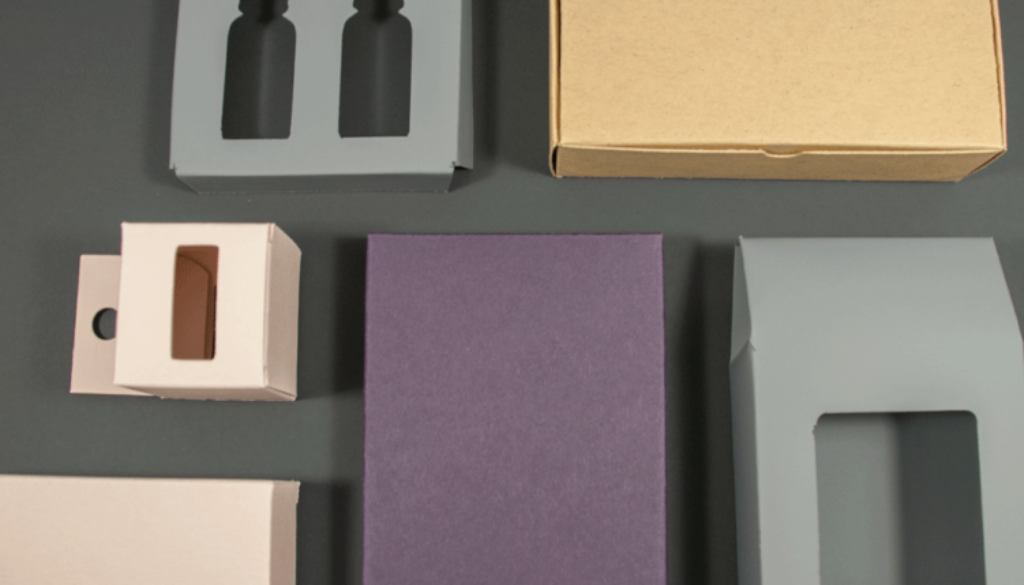
Folding Cartons are the most common type of paper packaging with tons of custom box sizes available. Typically ranging from 10pt paperboard to 30pt, it’s appropriate for a wide variety of projects and makes up a majority of the packaging you see in retail situations, such as candle boxes, beauty products, or cereal boxes. Printing is applied directly to the box with a coating to prevent scratches and scuffing. Folding Cartons are typically shipped flat allowing for lower shipping costs.
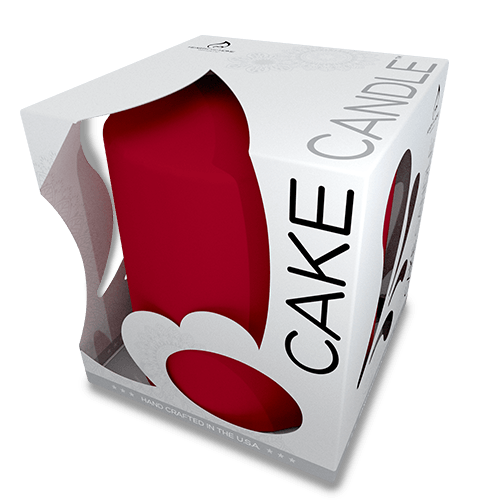
Benefits of Folding Carton Packaging:
-
-
-
- Lower Shipping Costs (due to shipping flat)
- Lower Cost Per Unit
- Quick Lead Times
-
-
We do have many box styles available for you to dig through and see if there’s anything you like there. If not, send us what type of packaging you’re interested in whether it’s rigid or a folding carton box and we’ll see what we can do! We love to custom engineer boxes, so if there’s something we can make for you that you will love, let’s get started!


